Emily Leahy
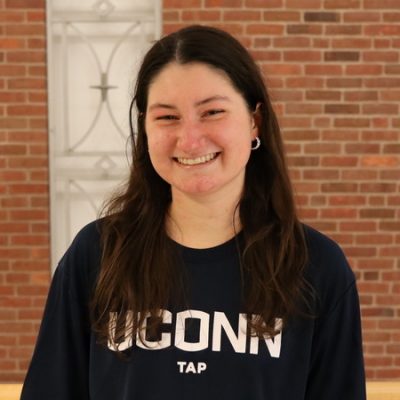
Emily is a research technician at the UConn Plant Diagnostic Lab. She has been working in the lab since last summer when she began as an Extension intern. Emily recently graduated from UConn in May with a degree in Biological Sciences.
Natasha Raymond
Evan Lentz
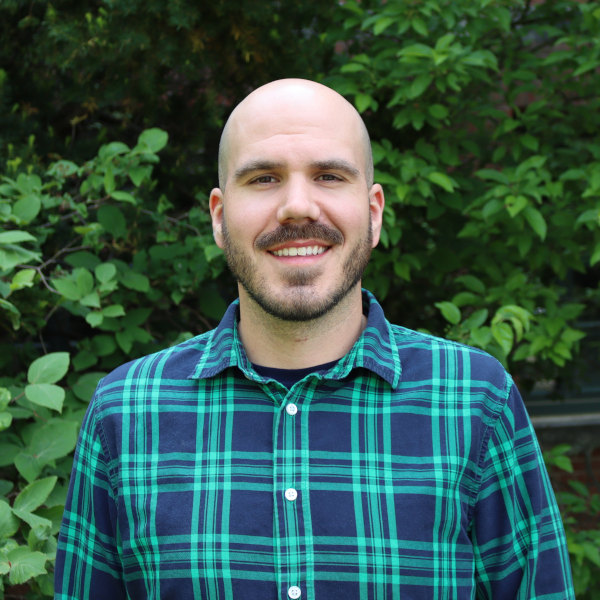 Evan Lentz is an Assistant Extension Educator with UConn Extension specializing in commercial fruit production, integrated pest management (IPM), and precision agriculture. He works with Connecticut fruit growers to provide research-based education and support sustainable production practices.
Dr. Srikanth Kodati
Dr. Lauren Kurtz
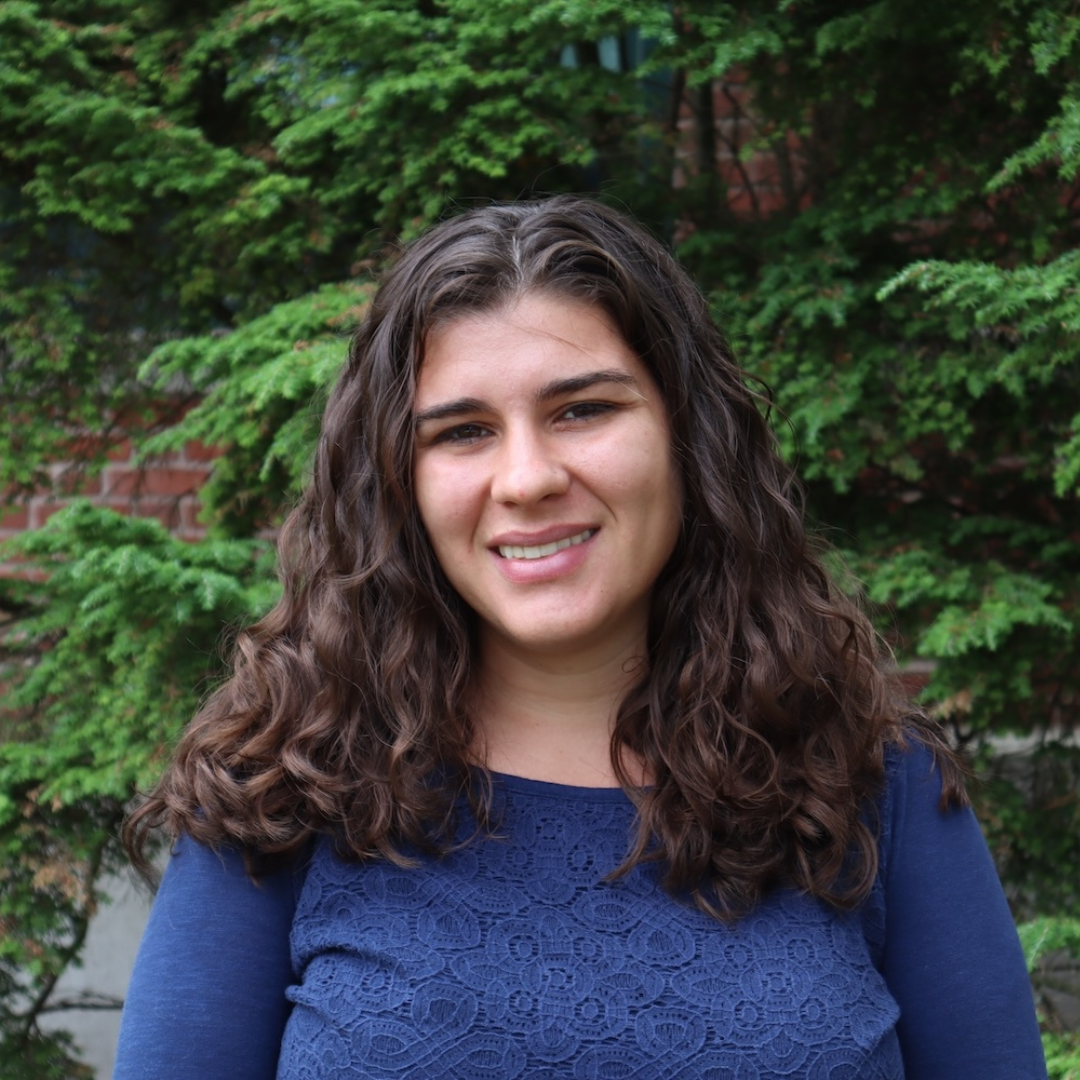 Lauren Kurtz is the newest member of the Home and Garden Education Center at the University of Connecticut. A proud UConn alum, she received both her Master’s and Doctorate degrees from the Department of Plant Science and Landscape Architecture, where her graduate research focused on the breeding and horticulture of hemp. Today, as a science communicator and educator, Lauren specializes in ecological horticulture and invasive plant management.
Dr. Nick Goltz
 Dr. Nick Goltz is a plant pathologist and Assistant Extension Educator at the University of Connecticut. He directs the UConn Plant Diagnostic Laboratory, where he diagnoses plant health issues and provides management recommendations for various clients including home gardeners and commercial growers. Nick holds a Doctor of Plant Medicine degree from the University of Florida. Before UConn, he worked at the UF Plant Diagnostic Center and at state and federal regulatory laboratories since 2016, performing research to develop biological control options for the management of invasive insects. Nick has a passion for plant health and integrated pest management and has been published in Fine Gardening Magazine several times in addition to the academic journals Insects and Biodiversity Data Journal. He is always excited to work with growers and home gardeners alike to find comprehensive solutions for any plant problem they may be dealing with.
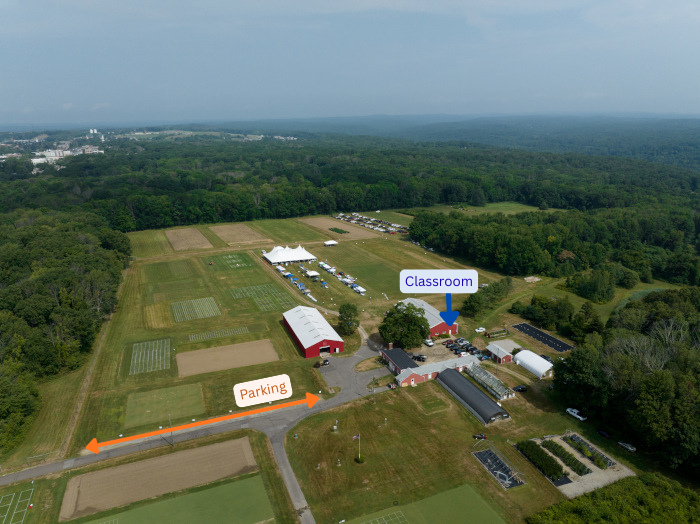
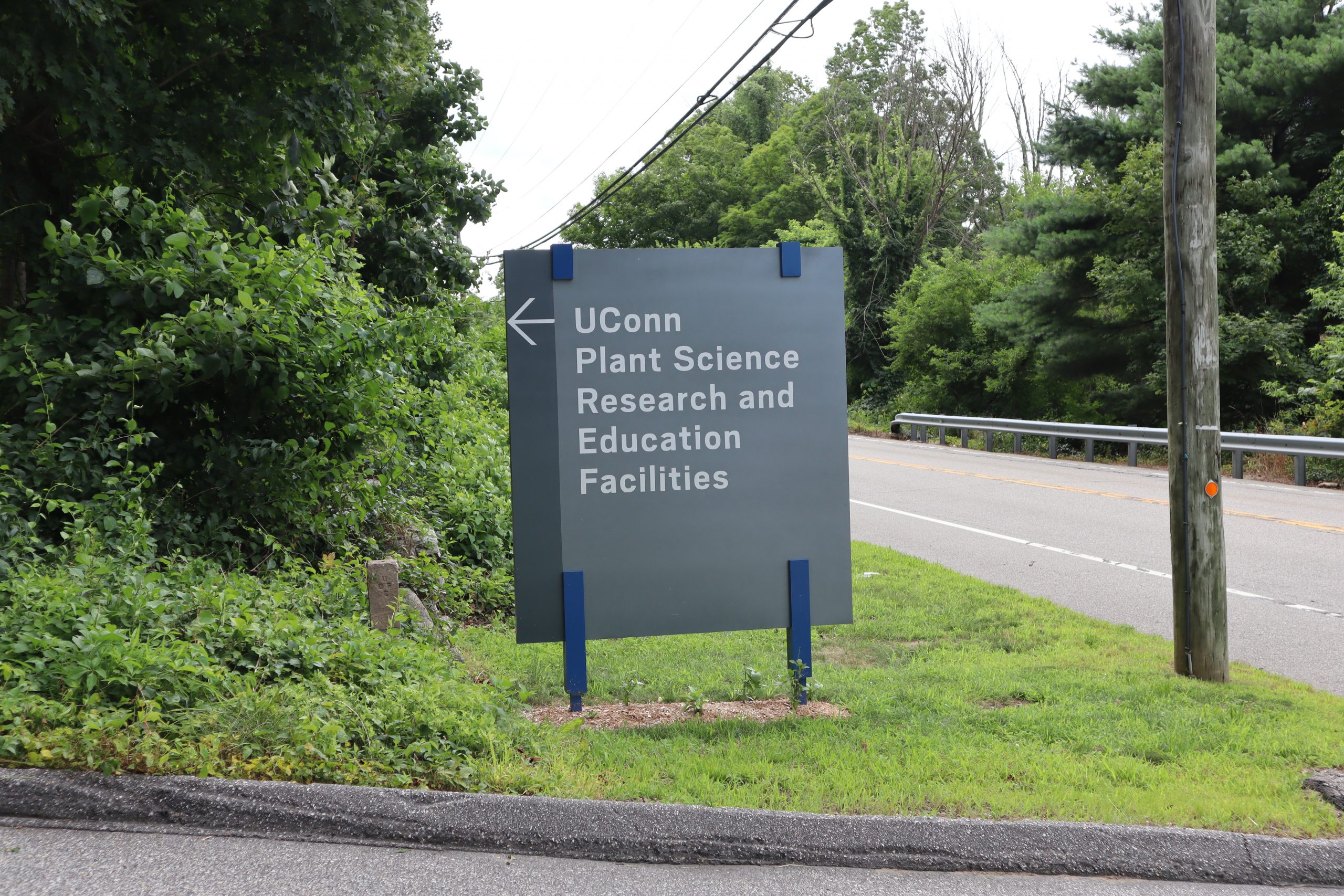
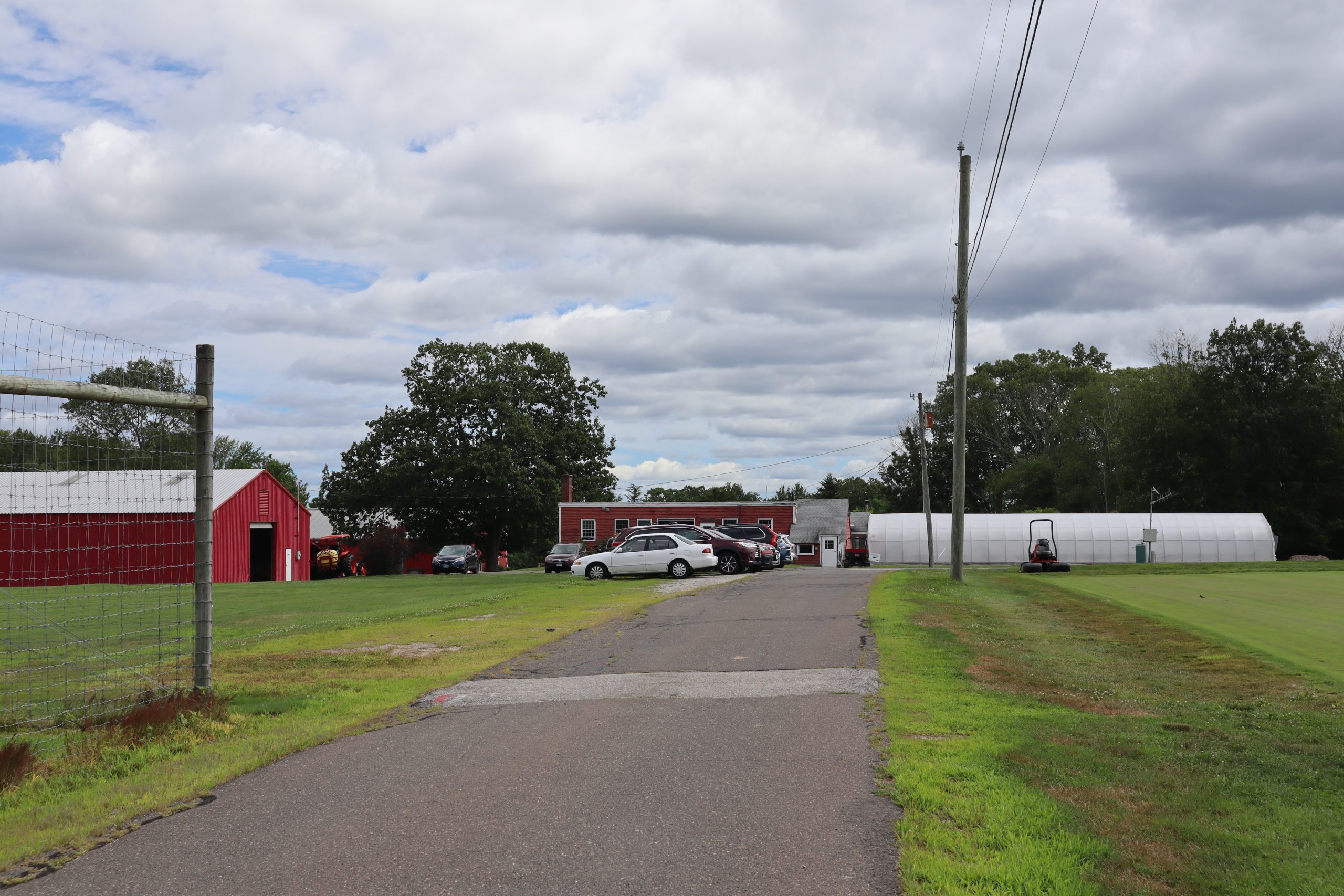
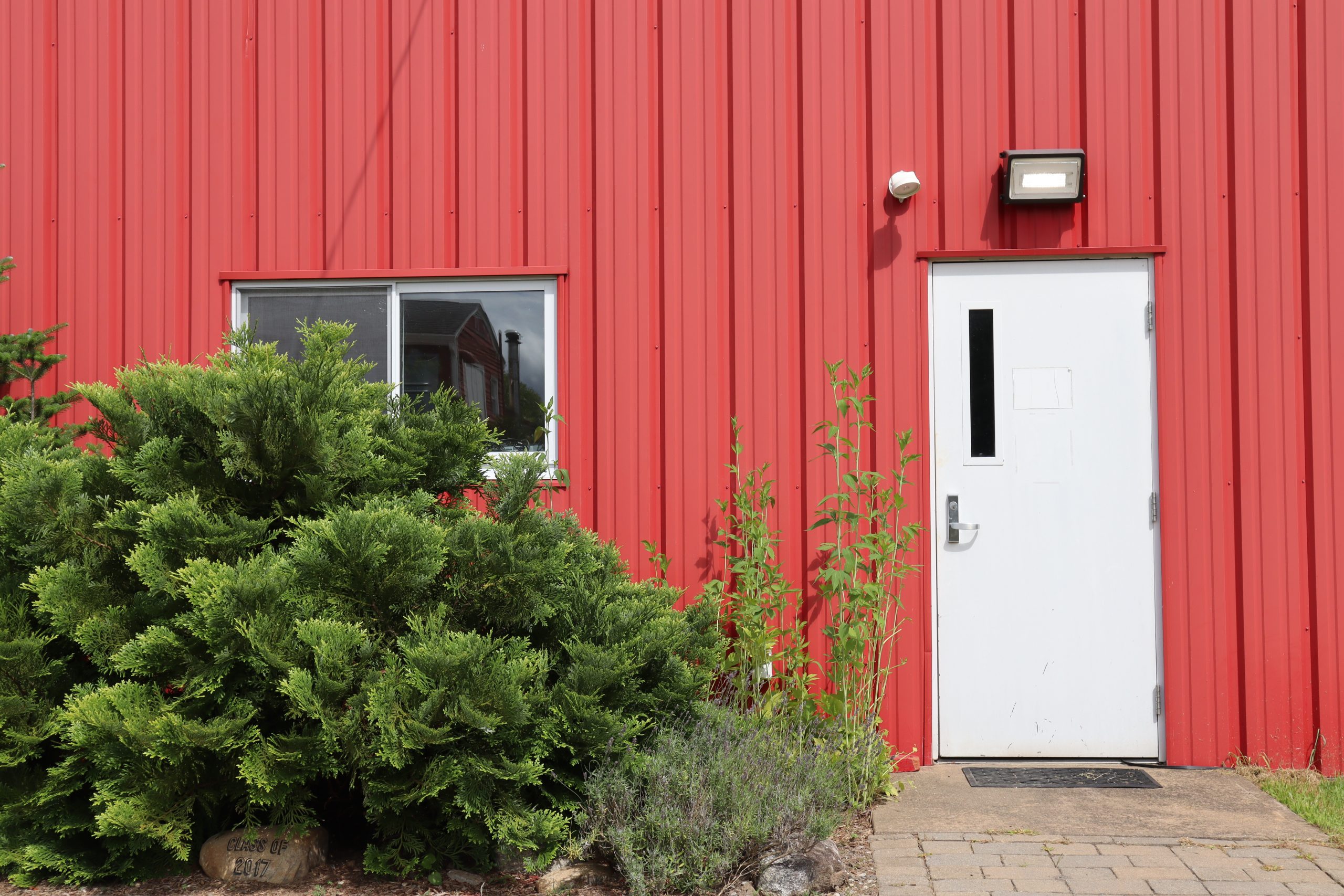
Research Farm Map