Your Raised Beds Worked Hard All Season—Garden Pros Share 6 Ways to Help Them Recover Before Winter
The Spruce – Heather Zidack and other gardening professionals recommend their top tips to help your garden beds prepare for winter.
Web cookies (also called HTTP cookies, browser cookies, or simply cookies) are small pieces of data that websites store on your device (computer, phone, etc.) through your web browser. They are used to remember information about you and your interactions with the site.
Session Management:
Keeping you logged in
Remembering items in a shopping cart
Saving language or theme preferences
Personalization:
Tailoring content or ads based on your previous activity
Tracking & Analytics:
Monitoring browsing behavior for analytics or marketing purposes
Session Cookies:
Temporary; deleted when you close your browser
Used for things like keeping you logged in during a single session
Persistent Cookies:
Stored on your device until they expire or are manually deleted
Used for remembering login credentials, settings, etc.
First-Party Cookies:
Set by the website you're visiting directly
Third-Party Cookies:
Set by other domains (usually advertisers) embedded in the website
Commonly used for tracking across multiple sites
Authentication cookies are a special type of web cookie used to identify and verify a user after they log in to a website or web application.
Once you log in to a site, the server creates an authentication cookie and sends it to your browser. This cookie:
Proves to the website that you're logged in
Prevents you from having to log in again on every page you visit
Can persist across sessions if you select "Remember me"
Typically, it contains:
A unique session ID (not your actual password)
Optional metadata (e.g., expiration time, security flags)
Analytics cookies are cookies used to collect data about how visitors interact with a website. Their primary purpose is to help website owners understand and improve user experience by analyzing things like:
How users navigate the site
Which pages are most/least visited
How long users stay on each page
What device, browser, or location the user is from
Some examples of data analytics cookies may collect:
Page views and time spent on pages
Click paths (how users move from page to page)
Bounce rate (users who leave without interacting)
User demographics (location, language, device)
Referring websites (how users arrived at the site)
Here’s how you can disable cookies in common browsers:
Open Chrome and click the three vertical dots in the top-right corner.
Go to Settings > Privacy and security > Cookies and other site data.
Choose your preferred option:
Block all cookies (not recommended, can break most websites).
Block third-party cookies (can block ads and tracking cookies).
Open Firefox and click the three horizontal lines in the top-right corner.
Go to Settings > Privacy & Security.
Under the Enhanced Tracking Protection section, choose Strict to block most cookies or Custom to manually choose which cookies to block.
Open Safari and click Safari in the top-left corner of the screen.
Go to Preferences > Privacy.
Check Block all cookies to stop all cookies, or select options to block third-party cookies.
Open Edge and click the three horizontal dots in the top-right corner.
Go to Settings > Privacy, search, and services > Cookies and site permissions.
Select your cookie settings from there, including blocking all cookies or blocking third-party cookies.
For Safari on iOS: Go to Settings > Safari > Privacy & Security > Block All Cookies.
For Chrome on Android: Open the app, tap the three dots, go to Settings > Privacy and security > Cookies.
Disabling cookies can make your online experience more difficult. Some websites may not load properly, or you may be logged out frequently. Also, certain features may not work as expected.
Your Raised Beds Worked Hard All Season—Garden Pros Share 6 Ways to Help Them Recover Before Winter
The Spruce – Heather Zidack and other gardening professionals recommend their top tips to help your garden beds prepare for winter.
Gardening Season Isn’t Over Yet: 6 Fast-Growing Flowers You Can Still Grow Through the Start of Fall
The Spruce – Heather Zidack joins other gardening professionals to recommend fall blooming annuals for extending your season of color.
By Heather Zidack, UConn Home & Garden Education Center
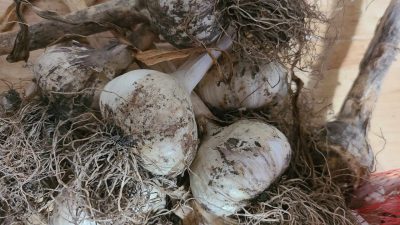
Garlic belongs to the allium family, which includes onions, shallots, chives, and even some ornamental plants. People have strong feelings about garlic; they either love it or hate it. Whether you add it to your pantry of seasonings or not, there are tons of fantastic reasons to plant it in your garden.

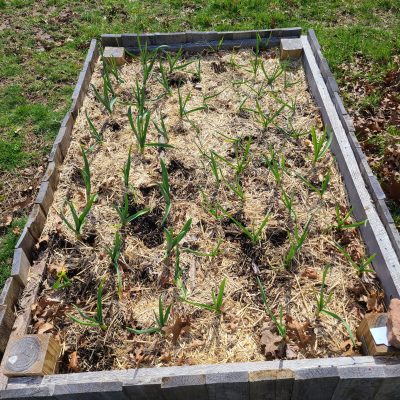
Garlic is great for gardeners on the go. One of my favorite things about these plants is the window in which they grow. You plant cloves in October and harvest the bulbs in July. Planting garlic cloves is one of the last things I do in my garden before hanging up my gloves for the season. This means I have an entire bed already working for me when the spring starts. In early summer, you can harvest the young flower spikes, known as scapes, and use them in recipes for a mild garlic flavor. They blend beautifully with early season cole crops to make some fantastic spring dishes!
From a practical standpoint, the time saved in planting an entire bed before the season has even started is invaluable. Their presence helps to retain garden soil and prevent loss through erosion over the dormant season. Their care is minimal, only needing a side-dress of fertilizer in the spring and supplemental water when active growing starts. On top of all of that, they package themselves perfectly for storage, when cured and stored properly.

Another fantastic benefit to having garlic in your garden beds is that it is well equipped to fend off many vertebrate and invertebrate types of pests. From personal experience, my garlic beds have not needed a fenced in area like my other vegetables and have been relatively undisturbed by local wildlife. While there are claims out there regarding companion planting, I only can confirm for certain that the properties of garlic keep animals away from garlic plants. Scientists are also studying the benefits of garlic for the microbial environment in the soil, to see what other impacts they may have.
As large bulbs develop, they help to break up the soil in the bed for whatever is next to come in the rotation. Once garlic bulbs are harvested, we usually have anywhere between 90 and 100 days left of the growing season. This is plenty of time to rotate in a fast-growing crop like leafy greens, summer squash, carrots, radish, or even some kinds of brassicas.
If you do decide to give garlic a try this year, make sure you pick up clean seed garlic from a trusted source. As with any other plant, healthy starting material will help in yielding healthy plants. Hardneck varieties tend to grow best in our climate. They have a firm stem that starts at the base of the bulb and grows through the plant, giving it a strong single stalk during the growing season (this is where the scapes come from). They need a vernalization (cold) period, which is why it is best to plant them before the ground freezes. There are many varieties of hardneck garlic with a wide range of flavors.
Do not use garlic cloves from the grocery store. Grocery stores typically carry softneck garlic, which has no central stem and may have more cloves inside. A lot of our commercial garlic is grown in California. Softneck garlic may not grow as well in our climate. In addition, commercial agricultural produce can sometimes be treated with growth inhibitors or inadvertently carry pests or pathogens that would not serve your garden well. Local farms, farmers markets, and harvest festivals are great resources to find quality planting garlic. There are also reputable catalog companies out there, but you better get to ordering as time is short!

Before planting, break the garlic bulb into its numerous cloves. Don’t be too concerned if some skin flakes off of the outermost layer, but do not peel the garlic before planting it. The intact skin acts as a protective barrier to keep them from rotting in the soil. Place cloves pointy end up in the soil at a depth of 1-2 inches, depending on the size of the clove. Water in and cover with a straw or leaf mulch, and it’s done! Don’t be too shocked if you see them start to emerge from the soil before the snow. Leave them be and assess in the spring, sometimes you don’t even have to cut those leaves back!
Whether you’re a seasoned gardener or just starting out, garlic offers something for everyone. Its numerous benefits in the garden, plus its versatility in the kitchen provide a great starting point for those who want to have their own garden-to-table experience. You’ll be a pro in no time!
The UConn Home & Garden Education Center supports UConn Extension’s mission by providing answers you can trust with research-based information and resources. For gardening questions, contact us toll-free at (877) 486-6271, visit our website at homegarden.cahnr.uconn.edu, or reach out to your local UConn Extension center at cahnr.uconn.edu/extension/locations.
This article was published in the Hartford Courant October 4, 2025
By Heather Zidack, UConn Home & Garden Education Center

Gardeners have had a broad range of experiences with their vegetable gardens this season. Some planted early in May with the warm weather, which was followed by a cold front that meant covering plants, or keeping them in pots longer than you had planned. For others, a pattern of cool, rainy spring weekends delayed planting! Cornell even sent out a reminder to residents to watch for tractors on the roads a little later this season as farmers, too, were scrambling to adjust in upstate New York. Thankfully, there is still plenty of growing season left for us to shift our practices and still have a bountiful harvest from our home gardens.
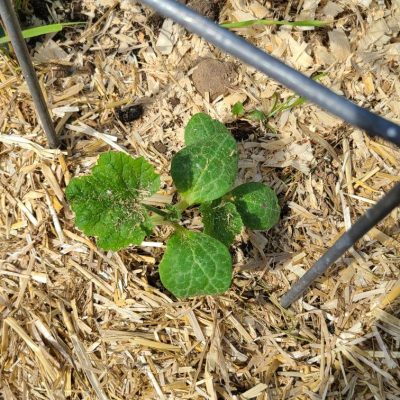
There are roughly 100 days left of the growing season until the first predicted frost date, according to the farmers’ almanac. That means you have an opportunity to still plant your dream vegetable garden! Look at the “days to maturity” to determine if planting now makes sense. Many summer crops, like zucchini, cucumbers, and even some types of winter squash have much shorter days to maturity and can be started from seed right in the warm, summer soil.
Have a type of bean, radish or leafy green you love, but can’t process bushels at a time? Plant every couple of weeks this month for a staggered harvest to enjoy your favorites for an even longer period at a more manageable volume!
Do you plan to harvest garlic this month? Be ready to follow up with a short-term crop like leafy greens, beets, carrots, or even some types of corn!
The practice of succession planting gives gardeners a chance to extend the garden season and promotes soil health by keeping your garden beds active. Rotating crops in this fashion reduces the risks of soil erosion, weed overgrowth, and nutrient depletion, when done correctly.
When setting up a succession or rotation schedule, consider what has been in the bed previously and how those plantings might interact. Determine the nutrient needs of the plants you are considering. You want to be sure you are not planting one heavy feeder right after another as this may mean you need to provide more nutritional support than you planned for. Instead, opt for plants that feed on different nutrients, or better still, plants that help to reintroduce nutrients into the soil.
Succession planting and crop rotation not only benefit the garden beds that have been put on the back burner as we’ve tried to find time between the rain and temperature swings, but it may also benefit those who have a history of battling with garden pests. Planting later in the season may help prevent or minimize damage from many single generation pests, like the Squash Vine Borer or the Four-Lined Plant Bug.
Many Cole crops (those in the brassica family) and cool season crops can be started from seed now in preparation for fall planting. However, it may be best to start these indoors instead of directly sowing in the ground. Temperatures over 85 may cause delayed germination or bolting too early once those plants pop out of the soil. Starting them indoors gives you a little more control over the temperature. Otherwise, search for heat tolerant varieties for better results.
If you want a rest from the care of vegetable gardening and harvesting, consider planting annuals. There are many varieties of marigold, cosmos, zinnia, and some other beautiful cut flower varieties that could happily take up some space and lend their services to some late season table arrangements for you!
There’s a lot to still do if you want a bountiful fall harvest, and there are a lot of considerations to make when planning what to plant next. Do your research with cooperative extension or land-grant university resources for science-backed information to guide you in your next steps. And remember, we’re here at the Home & Garden Education Center to help you make sense of it all!
The UConn Home & Garden Education Center supports UConn Extension’s mission by providing answers you can trust with research-based information and resources. For gardening questions, contact us toll-free at (877) 486-6271, visit our website at homegarden.cahnr.uconn.edu, or reach out to your local UConn Extension center at cahnr.uconn.edu/extension/locations.
This article was published in the Hartford Courant July 12, 2025
By Pamm Cooper, UConn Home & Garden Education Center

Here at the UConn Home and Garden Center we have been getting questions about lawn and garden issues that have been particularly widespread in the state. Whether in the landscape or the garden, there is always something going on, good or bad, and keeping up with pests or cultural issues can be challenging. Because of the extended late season drought conditions this year, plants may be showing signs of stress. There are some basic things homeowners can do to help plants go into winter as healthy as possible.
Plants in temperate climates, like we have in New England, are normally manufacturing food to enable carbohydrate storage for new growth that will occur next spring. To do this, plants need both sunlight and water, and our extended drought conditions have limited most plants to enter survival mode, and carb storage is a second priority. The best way to help your plants is to water deeply any that still have green leaves. People with wells may need to determine if this is a priority for them. We can hope for a warm winter or insulating snow cover to help any plants with shallow roots survive until warm weather returns.

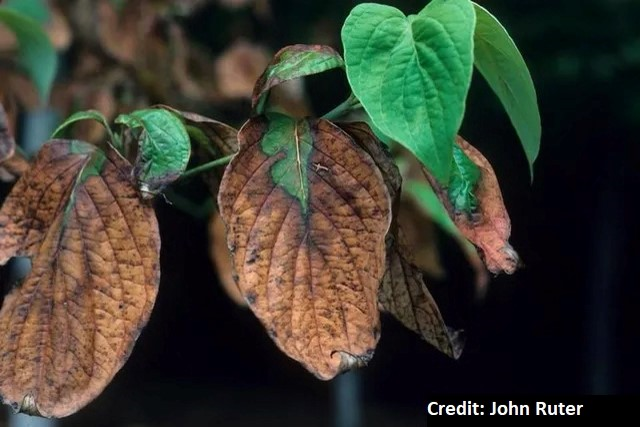
One sign of drought stress in woody broadleaf plants is leaf edges that curl upward. This is a good clue as to the beginning of water stress. Make sure to water these plants deeply, to ensure roots will be able to pick up the water. Usually the next day, leaves will start to uncurl if adequate water is applied. If drought stress continues, leaves may turn brown at the edges and early leaf drop may occur.
Evergreens, even established ones, can benefit from regular watering as long as the soil is not frozen and drought conditions remain. Evergreen foliage, whether needles or leaves, photosynthesize all year, and it is important that soil is not dry. Normally, we have snow that melts on and off, and if soils are not frozen, roots will be able to take up water and photosynthesis can still take place.
Perennials of certain species may be doing fine in this drought. Yarrows, some ox-eyed daisy cultivars, obedient plants, goldenrods, mountain mints and Agastache may be showing no signs of stress. Still, if any have green leaves at this point, consider watering them if dry and warm conditions continue.
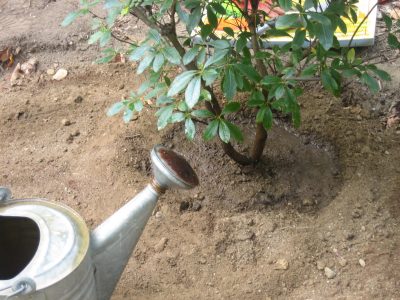
This weekend I planted a small shrub, and I had to dig about fourteen inches down to accommodate the root mass. I have to say that I was surprised that the soil, not particularly one that dries out often, was powdery to the bottom of the hole. If you are planting anything now, make sure to water the soil thoroughly as you fill in the area around the roots, then water again when done. This is especially needed for small trees and shrubs but do the same for perennials.
Next year, woody plants that were impacted by drought this year may be more susceptible to certain diseases like verticillium wilt, Nectria canker and evergreens to Rhizosphaera needlecast. Be vigilant and scout for any signs or symptoms of these diseases.
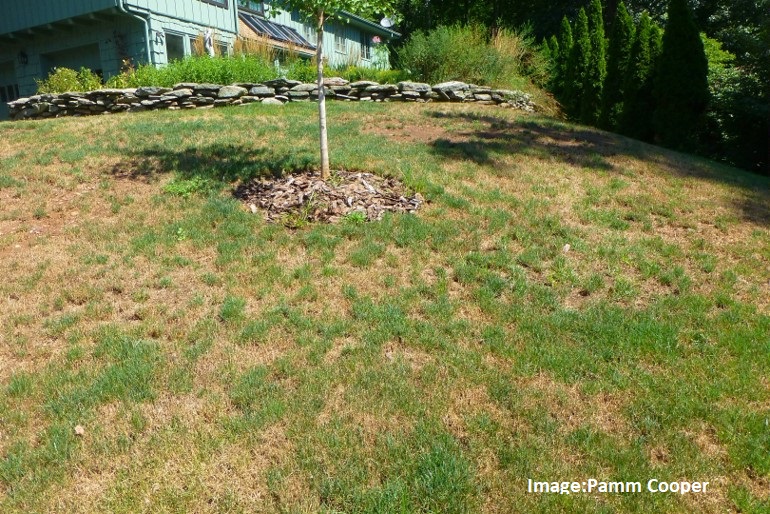
Lawns that did not receive any rainfall or supplemental watering during the past two months may be dormant and crunchy at this time. It may not be clear if the grass will recover when temperatures cool and adequate water is applied. Some grass species may be dead, but it may not be clear until next spring when they fail to green up. There still may be time to apply supplemental irrigation, and with warm temperatures, grass may or may not green up, but at least the crowns may be kept alive to generate new leaves next spring. If any lawn areas were seeded in late summer, water new grass as needed. If it is wilting, water it for sure.
Be alert to what is happening in your own backyard, for the sooner you discover any problems the better. Contact us at the University of Connecticut Home and Garden Education Center for advice on lawns, landscapes, and other gardening subjects. Here's hoping for some needed rainfall and cooler temperatures to help our plants recover from the trying drought of 2024.
Penn State Extension has a good article on long-term effects of drought stress- https://extension.psu.edu/the-long-term-impact-of-drought-on-trees-and-shrubs
If you have questions about caring for plants during a drought, or if you have other gardening questions, feel free to contact us, toll-free, at the UConn Home & Garden Education Center at (877) 486-6271, visit our website at www.homegarden.cahnr.uconn.edu or contact your local Cooperative Extension center.
By Abigayle Ward, UConn Department of Plant Science & Landscape Architecture Graduate Student

With the arrival of fall, one popular bloom brings the brilliant colors of forest foliage to our doorstep: With flower colors coming in purple, red, orange, yellow, and more, chrysanthemums, or more simply, mums, have been a favorite for centuries. First domesticated in China over 3,000 years ago, mum roots, seedlings, and flower pedals were used as herbal remedies in traditional Chinese medicine.
For nearly 2,000 years, mums have been the symbol of fall in Chinese culture: The Double Ninth Festival, celebrated on the ninth day of the ninth lunar month, celebrates harvest, ancestors, and the beauty of autumn, with mums taking center stage as both decorations, accessories, and a floral wine.
First introduced to Europeans in the 1600s, mums quickly became a fall favorite. By the mid-1800s, the Victorians had written extensive literature on the interpretation and meaning of the color of each bloom. While some colors have carried the same meaning for thousands of years – such as white blooms symbolizing mourning – others took on entirely different meanings. While in China, a red mum represents fortune and luck, a Victorian would interpret this as a declaration of love.
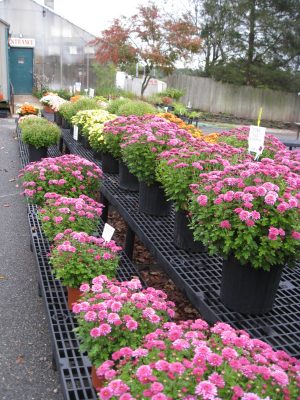
Luckily, it seems many home gardeners in the United States nowadays are more concerned with the aesthetic appeal of their blooms than the meanings, so major misunderstandings are avoided. With several thousand cultivars available, mums come in many color combinations and growth habits. The National Chrysanthemum Society of the USA recognizes 13 different flower classes, ranging from 6-inch diameter flower balls with many layers of florets to smaller, 2-inch diameter flowers with only a single layer of a few petals. Some mums bloom early, in August, while others will bloom in October.

Further, some mums are annuals regardless of USDA hardiness zone, while others are perennials in zones 5-9. While so-called “florist mums” or “pot mums” are generally grown as annuals and will not survive winter frost, “garden mums” can survive winter frost if planted early enough in the growing season. If you wish to purchase a garden mum, but the mums are unmarked, a good way to tell the difference between florist and garden mums is to check for stolons near the base of the plant. Stolons, also known as “runners”, are shoots that grow out from the base of the mother plant. A daughter plant may have roots growing from the end of a stolon. If you want to purchase a perennial mum, check around the base of the stem for stolons – they will most likely be quite short but are a good sign that the plants may overwinter successfully. Alternatively, if you want to be sure you grow a permanent mum installation that comes back year-after-year, you can start some varieties of hardy garden mums from seed in late winter prior to planting out in spring. Get any mums you want to try overwintering in the ground as soon as possible. You can plant mums next year in spring or summertime to give them plenty of sunny weather to grow hearty root systems prior to the first winter frost of 2025. Mulch around your fall planted mums to help insulate their roots from frost.
Both annual and perennial mums benefit from at least 6 hours of direct sunlight per day. In Connecticut, a sunny spot to the south of your home would be ideal. Water mums thoroughly once the topsoil is dry but try not to wet the leaves or the flowers. Water left on the leaves or flowers can make mums prone to fungal diseases, which can make them unsightly or even kill them in severe cases. Towards the end of the season, especially between October and November, consider leaving the blooms on as long as possible to allow late-season pollinators to collect nectar.
Whether planted in a permanent flower garden or kept in a pot on the porch for fall, mums are an excellent addition of rich fall colors to any home gardener’s flower collection. Consider picking some up this season at your local garden center or plan on purchasing plants or seeds next year.
If you have a question on caring for your mums or for other gardening questions, contact the UCONN Home & Garden Education Center, toll-free, at (877) 486-6271, visit their web site at www.homegarden.cahnr.uconn.edu or contact your local Cooperative Extension Center.
By Dawn Pettinelli, UConn Home & Garden Education Center

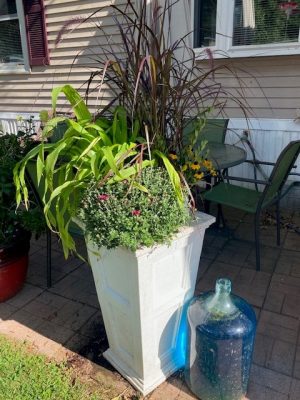
As summer wanes and the cool breezes of autumn begin to roll into Connecticut, it’s the perfect time to refresh your container plantings. Shelley Durocher-Nesta, UConn Plant Science Floriculture Grower, says this summer’s rain and high temperatures have many of our container plantings looking a little ragged but fall presents a unique opportunity to infuse your outdoor spaces with rich colors, interesting textures, and seasonal charm that lasts well into the cooler months
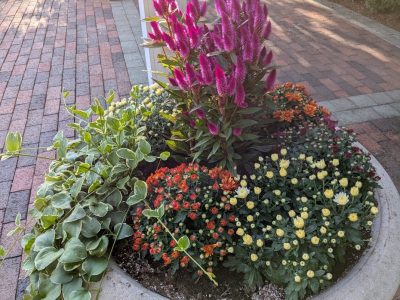
By the end of summer, many annuals start to fade. To maintain a lush and lively look, she suggests replacing them with plants that thrive in cooler weather. A top candidate for fall plantings, both containerized and inground are mums, obviously. They offer an explosion of color in shades of yellow, bronze, pink and reds. Asters are runner’s up, flashing their cooler shades of purples and pinks.
Ornamental cabbages and kale are leafy plants bringing texture and interest to plantings, often with their lacy ruffled edges. Hues range from deep purple to violet and from white to green, some being two-toned.
Recently, pansies and violas have been showing up as fall bloomers. These delicate flowers add a pop of color and laugh off light frosts. Pansies, with their cheerful ‘faces’ are particularly popular and come in a wide range of colors. Ornamental peppers in shades of yellow, purple red and orange are also available often in 4-inch pots
Depending on your color scheme and container size, two other great fall accompaniments are heuchera (coral bells) with their stunning foliage in a myriad of colors, and sedums that can be used either for their unique fleshy foliage or pollinator-friendly blooms.
Don’t forget ornamental grasses for their attractive seedheads and whispering foliage. If pinched for room, a few stalks of dried grasses or wheat can give your containers a rustic, harvest-time feel.
Before purchasing new plants, access the plants presently in your containers. Groom, deadhead and cut back leggy annuals like petunias and verbena. If you have summer plants that are still thriving, you can repurpose them by combining them with fall plants in the same container for a mixed-season look. However, often one finds that their summer layout doesn’t work as well with new plants. Don’t hesitate to replace staid offerings. Durocher-Nesta, agrees saying that switching out her summer planters that are getting a little tired by the end of August is a joy.

Refresh the soil in containers before planting new fall selections. Summer plants have depleted the nutrients, so replacing the top few inches with fresh potting mix can get fall plants off to a better start. If your container is large and you can’t replace all the soil, mix in some compost or at least a slow-release fertilizer, as directed on the package, to rejuvenate it,
Consider elevating some containers on stands or steps to create varying heights. Grouping containers of different sizes together on your porch or patio can also add depth and visual interest.
One of the joys of fall container gardening is the chance to play with a different color palette. While summer is about bright, vibrant colors, fall offers a more subdued, warm earthy palette. Think deep purples, burnt oranges, and rich reds, balanced with greens and whites.
As the weather cools, plants will need less water but check regularly. Container plants can dry out quickly especially on sunny fall days. Stick a finger in and add water when the top inch of potting media feels dry.
Regularly deadhead spent flowers and remove any yellowing leaves to keep your containers looking tidy and to encourage continued blooming. As frost becomes more likely, be prepared to cover sensitive plants or bring containers indoors on particularly cold nights.
In addition to the plants, fall-themed accents can enhance the seasonal appeal of your containers. Consider adding small pumpkins, gourds, or decorative squash to the mix. For a touch of whimsy, add seasonal decorations like mini scarecrows, wooden sunflowers or decorative berries.
Sprucing up your container plantings for fall in Connecticut can bring a fresh, seasonal look to your outdoor spaces. With the right plant choices, thoughtful arrangement, and a few seasonal accents, your containers can remain a focal point of beauty and interest well into the cooler months. Durocher-Nesta shares thoughts about her favorite fall flower: “Bright and fresh mums bring a smile to my face during a time of year when falling leaves and shorter days mean winter is coming. They’re one last Hoorah! for the growing season.”
If you have questions on container plantings or on any other home or garden topic, contact the UCONN Home & Garden Education Center, toll-free, at (877) 486-6271, visit their web site at www.homegarden.cahnr.uconn.edu or contact your local Cooperative Extension Center.
By Heather Zidack, UConn Home & Garden Education Center

There’s no doubt that spring planting is exciting. The instant gratification that comes with putting in our new gardens and seeing flowers and greenery right away is unmatched. Late season planting is a different animal altogether. There’s a slower pace, less pressure for perfection, and a promise of beauty next season – leaving us the chance to take up other projects in the spring.
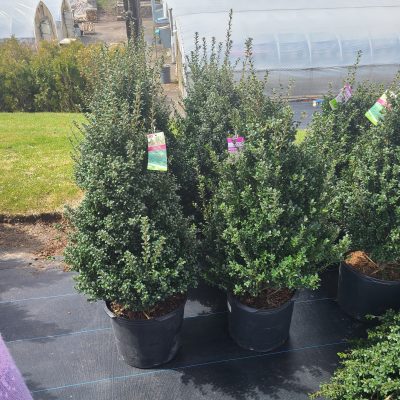
Many gardeners will start planting hardy bulbs this fall, but you can do so much more! Planting trees, shrubs, and perennials in the late summer/early fall provides enough time for plants to get established without the heat and drought stresses of summer. New plants installed in the fall have enough time to develop healthy roots and settle in before winter. Allow at least 6 weeks (about 1 and a half months) before the first hard frost to ensure strong establishment. It’s less stressful for plants, but also easier for gardeners to plant, water, and support our gardens when the weather is a bit cooler.
Your fall planted perennials, trees and shrubs will also flower “on time” next spring. Whether you've noticed it or not, flowering plants that we buy during the growing season are sometimes manipulated to bloom when you see them on the shelf. And while most plants will settle into their natural flowering cycle after their first year, planting in the fall ensures that you are starting the season with a bed that will bloom as nature intended.

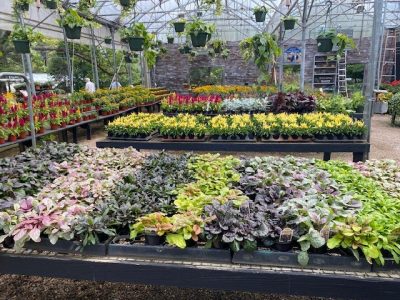
Keep a keen eye out for garden centers that may be trying to sell down their stock, so they don’t have to keep it during the winter. Plants may look a little more weathered, and past their prime. But don’t fret! If you shop smart, you can find some great plants for fantastic prices.
Shop for plants that have a nice form and strong root ball. Avoid plants that have apparent injury to trunks or branches. Old insect feeding damage, off colored leaves, or some drought damage may be recoverable. Remember that perennials will be cut back before their next flush, and deciduous shrubs will drop leaves and need pruning regardless of what they may look like right now. Never buy a plant that seems to have issues that you cannot identify, regardless of the bargain. If there are plants that you want that are unavailable, leave space for them to be planted next season.
The lower stress environmental conditions also make it a suitable time to transplant or divide plants that bloom in the spring or summer. When digging plants for transplanting, make sure to dig wide and deep to get as much of the root ball as possible. Division is a common practice with perennials and is as simple as driving a shovel through the center of the plant and digging out half of it to put somewhere else. Larger plants can be divided multiple times.
While it may seem like a promising idea to help push your plants along with some robust growth, fertilizing is not recommended in the fall. Pushing tender growth too close to chilly weather can leave the plant vulnerable to environmental damage, loss of shoots, and possibly even loss of flowers next season. Maintain them with adequate watering and supportive care. Provide good sanitation by removing and disposing of any questionable leaves that fall in your space, especially those from newly installed plants.
Planting in the fall and supporting your fall garden will help you lay a foundation for a successful spring.
If you have questions on fall gardening or on other gardening topics, feel free to contact us, toll-free, at the UConn Home & Garden Education Center at (877) 486-6271, visit our website at www.homegarden.cahnr.uconn.edu or contact your local Cooperative Extension center.