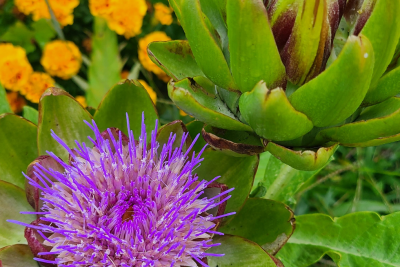
It’s been a strange year. While many gardeners typically start to feel as if their season is starting to wind down in August, some gardens this year seem to finally be hitting their stride. Regardless, with fall just ahead of us, this month provides a fantastic opportunity to reflect, and plan for your next growing season all while the weather is still on your side!
While your garden is still in flower and plants are still well established, it is a great time of year to document this growing season for yourself. Gardeners have used systems of colored golf tees, rocks, or other means to mark out where perennials are in the garden so that they do not disturb them during spring planting or cleanup. Others will sketch out their gardens on graph paper. For perennials, this is a great way to remember what species are planted, and when they flower so that you can shop for additions. This method is particularly useful for vegetable garden beds, which many try to rotate each season. By sketching out what is currently planted, you will be able to identify new locations for next season’s rotation.
It’s always easier to reflect on something while it’s in front of you. Keep a journal and note what went well this season and what didn’t while it is fresh in mind. Include pests and diseases so you are aware of what to scout for next season, before it’s an issue. Even though next year’s conditions may be different, this documentation will help you have an idea of timing, locations, or practices that can be improved on in the next growing season.
While it may not quite be time to start shopping for seeds or starts for next season, note the varieties of vegetables that did well in your garden, and ones that you might skip for next year. Taking note of diseases or pests will also help you with your winter seed shopping by helping you identify if resistant varieties are out there to help you combat those issues. Creating this list now will help you when it comes time for those January seed orders!
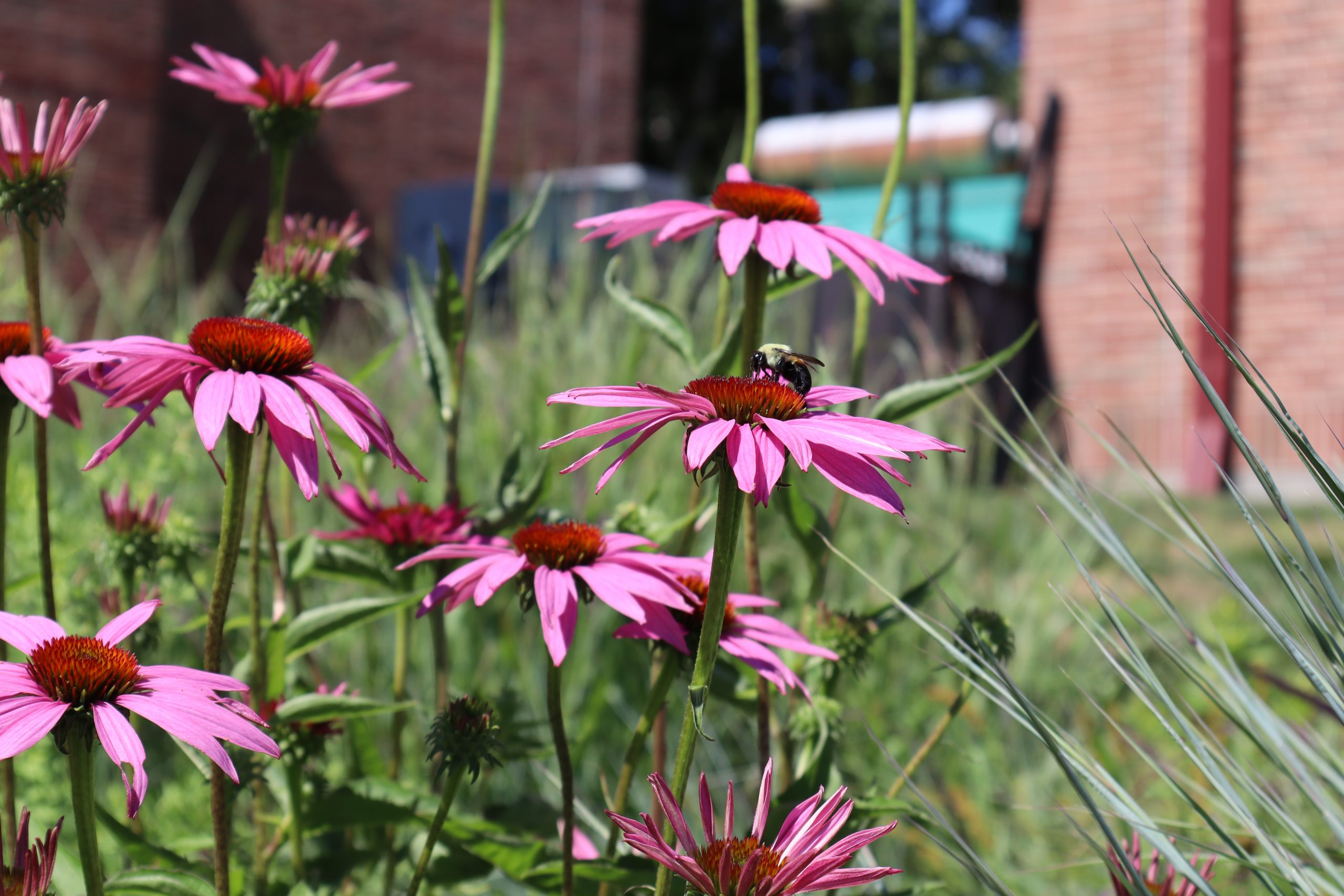
If you still want to play in the dirt, this is a good time of year to divide your spring and summer blooming perennials. Division not only provides an opportunity for your plants to have a little extra growing room in the garden bed, but some see it as a way of getting free plants from your garden! Enhance other garden spaces with additional plant material where it may fit. If your plants are healthy and free of pests and disease, you can even share divisions with family, friends or neighbors.
Late summer and fall blooming perennials are best divided in the spring so that they are not expending energy on both flowering and establishment at the same time. Always make sure to follow proper watering guidelines to help any transplanted divisions establish in their new spot in the garden. Even though the plants have been in your garden for a long time, once they are moved the clock resets on their “establishment period.” They’ve taken a hit to their root system and may need your support to recover. Ensure plants are receiving one inch of water per week (roughly 0.62 gallons per sq foot), to help them establish a healthy root system. Always feel the soil to determine whether supplemental water is necessary.
Spring bulbs and Peony roots will be planted in the coming months, so prepare by shopping early! Unique varieties will sell out quickly and you will want to make sure you get what you need for planting time.
We’re also approaching a fine time of year to have your soil nutrition tested so that you’re ready to go next spring! Typically, the springtime sees a rush for soil testing and there can be delays, which mean more time waiting before implementing your fertilizer programs. By testing in the fall, you have your recommendations ready to go when the soil warms up next spring!
Don’t underestimate the value of a detailed gardening journal and a few garden markers to help you remember where things are in your garden, how well they did, and what you may need to watch out for next year! Many successful gardeners have a collection of journals or notes that help them build upon what they learn from season to season. August is the perfect time of year to start documenting those observations while they’re fresh in your mind, and there’s still plenty of gardening left in the year!


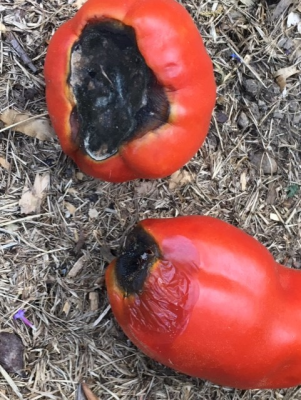 Between summer heat, sporadic rainfall, vacations and inconsistent watering, some of us are noticing black sunken patches on the blossom end (bottoms) of our ripening fruit. This is an abiotic or physiological disorder known as blossom end rot. It starts out with a small water-soaked area that enlarges and darkens as the tomato tries to ripen. The affected tissue has a dark, leathery appearance and may be colonized by a bacteria giving it a black color.
  What plants really need